
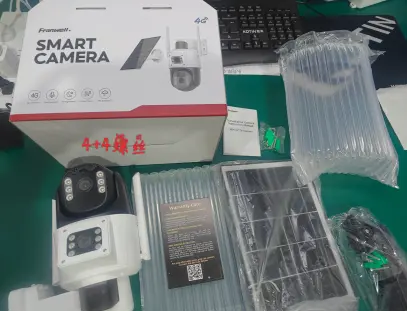
Plug-in power is the strongest choice when a safe continuous outlet is available. Solar is useful where cabling is difficult, but performance depends on sunlight, battery state and daily use.
When plug-in power is the better fit
Continuous power suits locations that need frequent live viewing, busy detection areas or dependable operation regardless of recent sunlight. It is often the first choice for homes, shops and warehouses with an accessible protected outlet.
Plan the cable route before buying. Check connector type, cable length, adapter rating and whether the power point is protected from rain and accidental disconnection.
When solar power makes sense
Solar cameras are useful for gates, farms and remote areas where running a cable would be expensive or impractical. The panel should receive direct sunlight and should not be placed under a roof, tree or wall shadow for most of the day.
Solar charging does not mean unlimited power. Frequent live viewing, repeated alerts, weak mobile signal and long periods of cloudy weather can use energy faster than the panel restores it.
Position the panel separately from the camera view
The best camera angle and the best solar angle may be different. Prioritise the monitoring view for the camera, then aim the panel toward reliable sunlight using the available cable length.
Clean dust and debris from the panel periodically. In tropical climates, also inspect cable seals and mounting hardware after heavy rain or strong wind.
Power checklist
Choose the power system from the worst normal conditions, not the best sunny day.
- Hours of direct sunlight at the panel
- Expected live-view and alert frequency
- Safe cable and adapter route
- Weather exposure at every connector
- A backup plan for long cloudy periods or power cuts
Compare the models that fit your site
Choose the connection and power first, then compare coverage and functions.